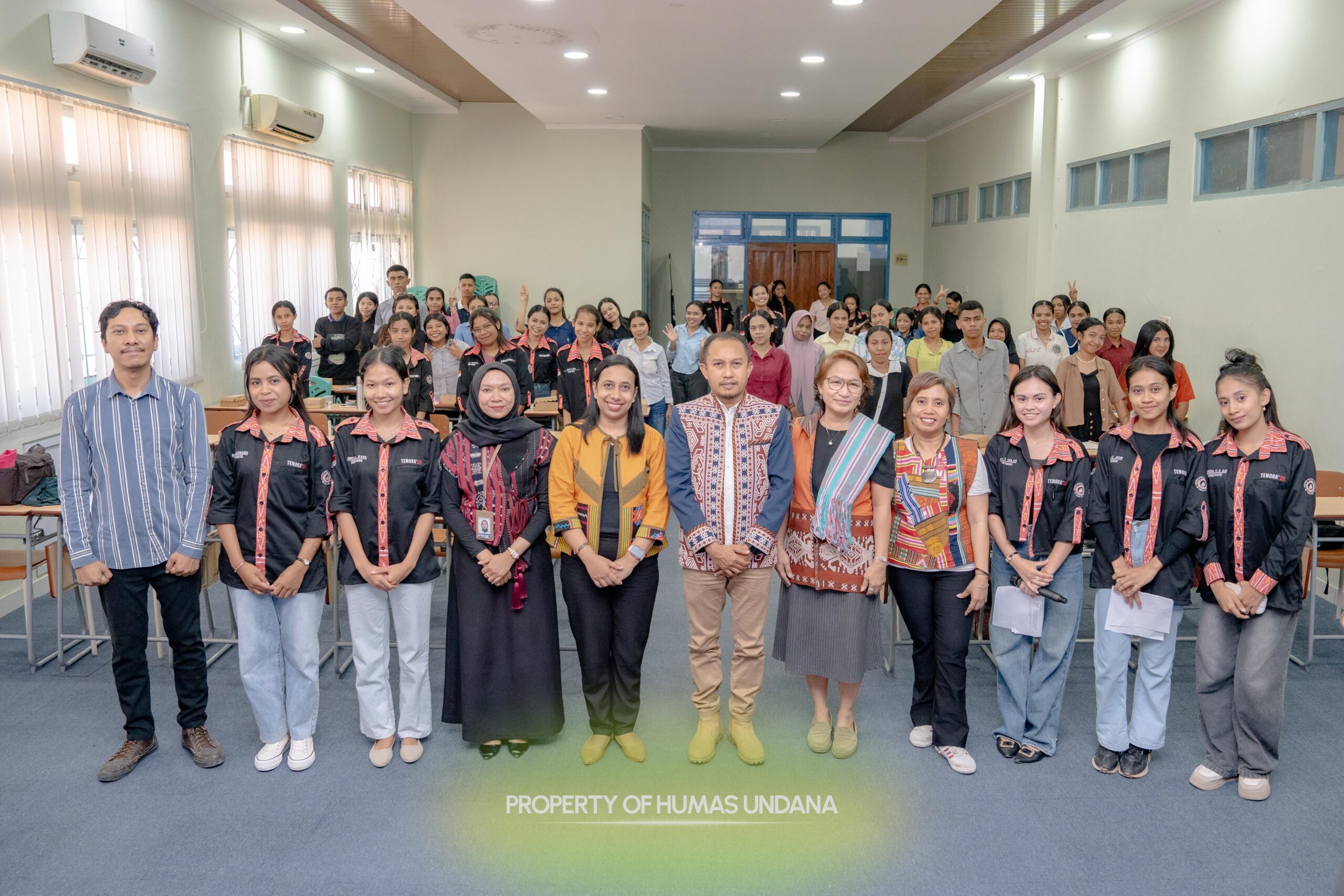
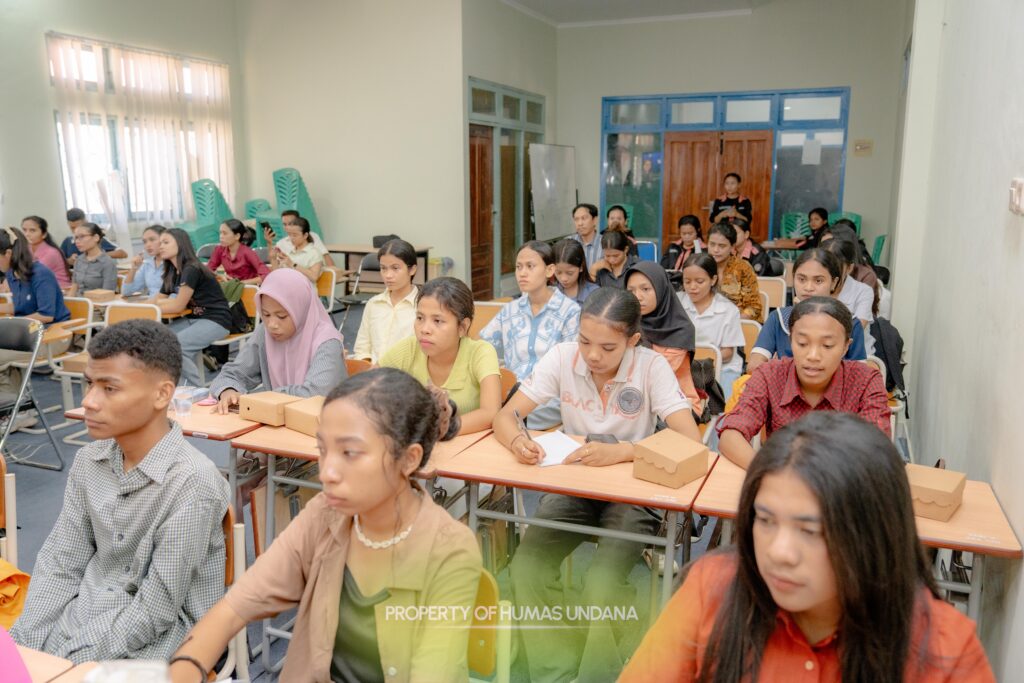
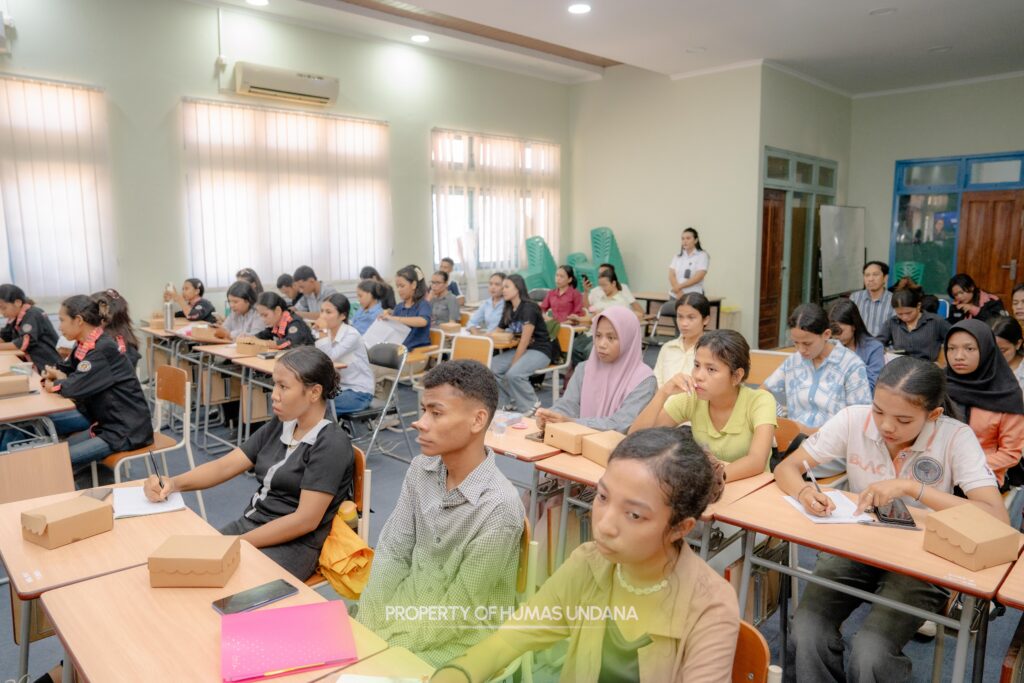
KUPANG – The Ikat Weaving Production Technology Study Program in the Faculty of Science and Engineering (FST), Universitas Nusa Cendana (Undana), continues to encourage a creative, innovative and independent generation of young entrepreneurs ready to target and compete in global markets. It put that commitment into practice through an entrepreneurship public lecture titled “From Local Potential to Global Markets: Building Creative, Innovative and Sustainable Entrepreneurship for the Younger Generation,” held at Undana’s Mechanical Engineering Hall on Wednesday (4/11/2026).
The event offered students a chance to view East Nusa Tenggara’s (NTT) cultural assets and local resources not simply as heritage but as economic opportunities capable of reaching wider markets. The lecture was opened by FST Dean Dr. Ir. Kristomus Boimau, S.T., M.T.
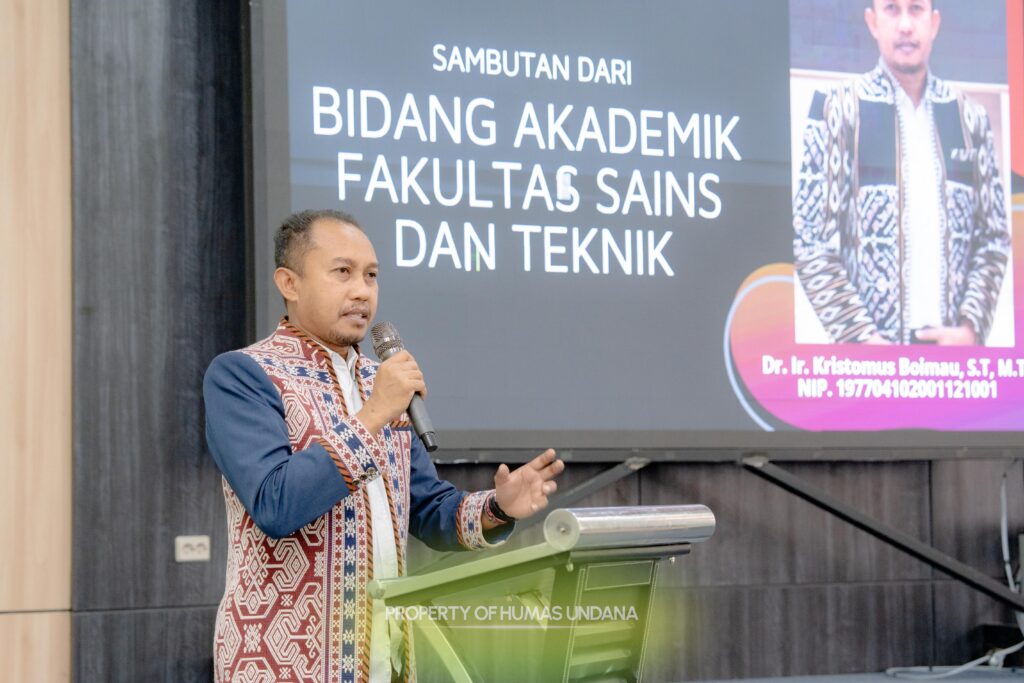
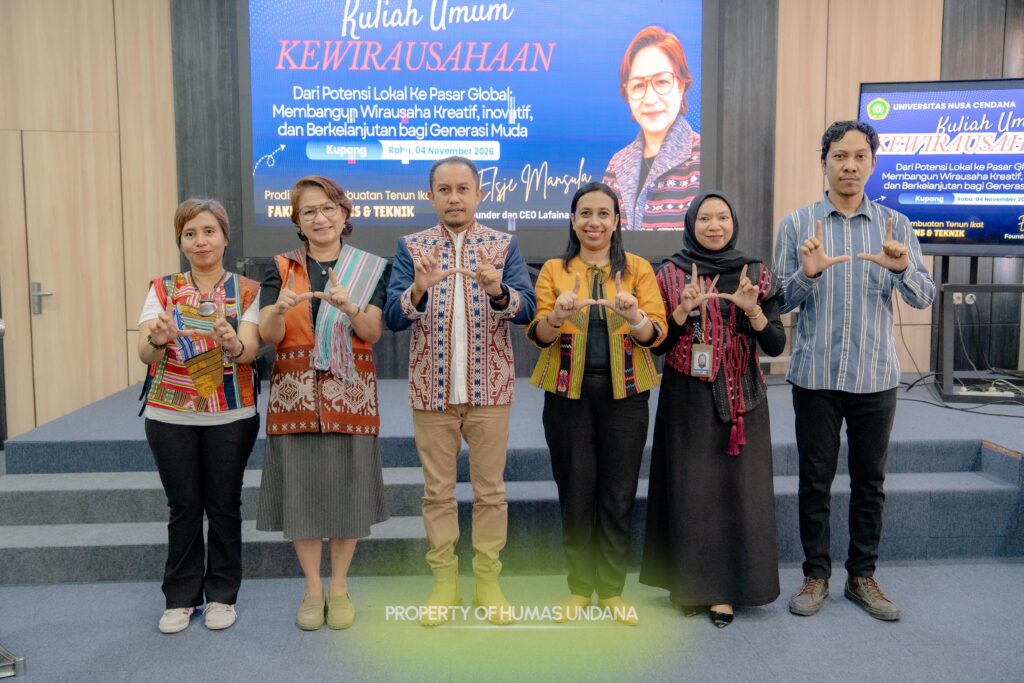
In his remarks, the Dean praised the event’s relevance to NTT’s cultural wealth. He said the potential of ikat weaving must be developed into high-value business opportunities.
“We have extraordinary resources. That potential must be preserved as cultural heritage and developed into creative business opportunities that can compete in global markets,” Dr. Kristomus said.
Rima Nindia Selan, S.T., M.T., Coordinator of the Ikat Weaving Production Technology Study Program, expressed a similar view. The coordinator explained that entrepreneurship is one of the program’s intended graduate pathways. Students therefore learn directly from business practitioners to develop strategies for starting and growing enterprises.
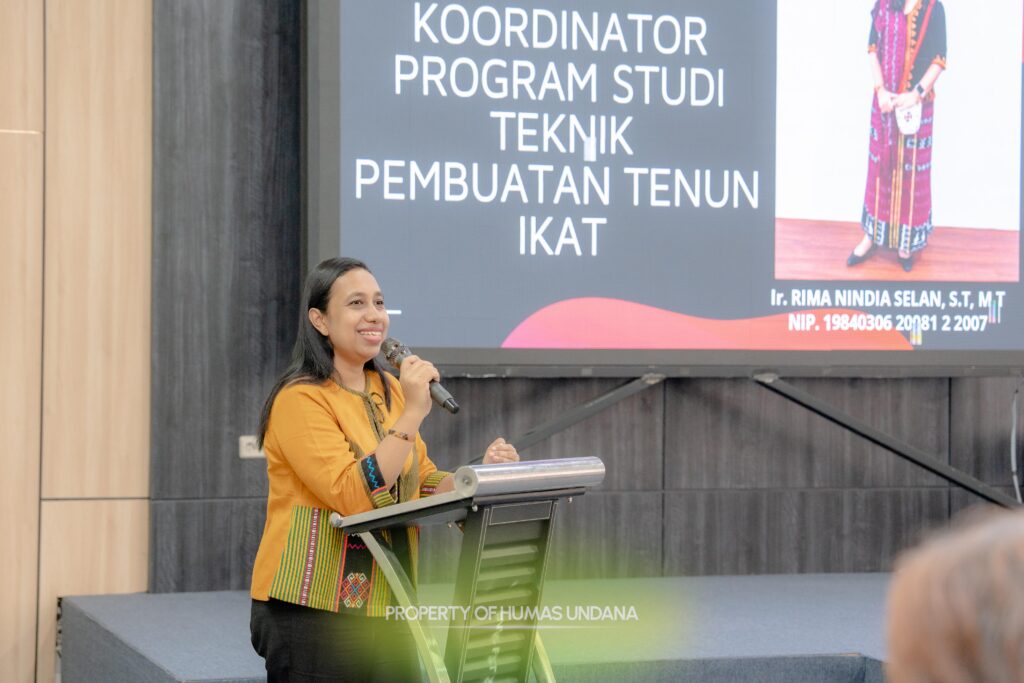
“Let us preserve our cultural heritage through our work, develop its potential through innovation and extend its benefits through entrepreneurship. From NTT, let us produce work that can reach the world,” Nindya said.
Positioning Local Products in the Right Markets
The lecture featured Lafaina Ikat Founder and CEO Elsje Mansula as its main speaker. Elsje emphasized that developing NTT’s local products, from ikat textiles and related products to local foods, requires a carefully planned marketing strategy.
“My presentation focuses primarily on how to become entrepreneurs using the local products available in NTT. Local products must be developed and positioned in the right markets,” Elsje said.
She added that innovation in ikat products must continue without abandoning their cultural identity. Elsje also expressed hope that entrepreneurship in Flobamoratas would increasingly be driven by local young people with a strong understanding of their own regional culture.
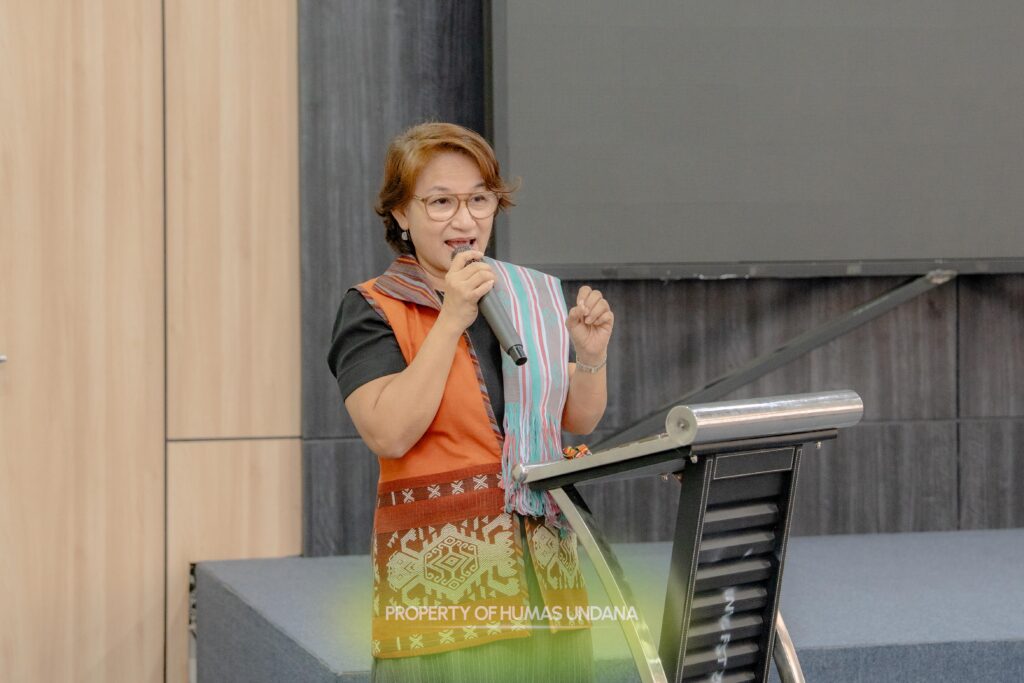
“I want entrepreneurship in East Nusa Tenggara to be driven by local young people. Our products are closely linked to culture, so those born and raised here naturally have a strong understanding of how to introduce and develop them,” she concluded.
Through the lecture, students were encouraged to develop entrepreneurial ambitions during university, enabling them to create jobs, establish ikat weaving within a value-added creative industry, and bring local work to national and global markets. (Alk)
Editor: Refael Molina – Photo: Tri Octria